EXCLUSIVITY'S WEIRD COMEBACK: GREAT FOR FANBOYS, WORSE FOR EVERYONE ELSE
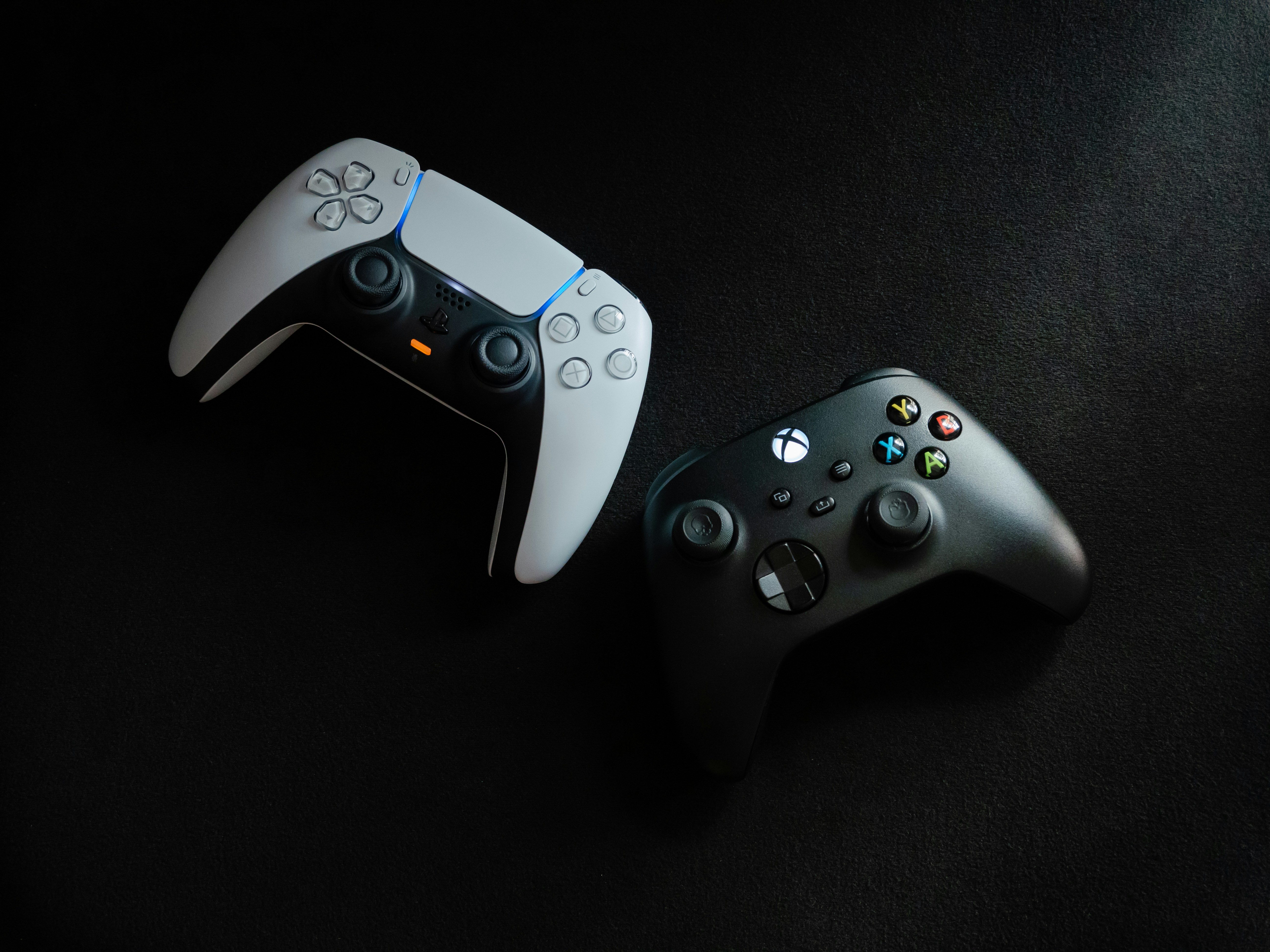
Photo by He Junhui on Unsplash
The console war keeps asking whether exclusivity is dead. At the June 2026 Xbox Games Showcase, Xbox answered, and the answer was the opposite of what the last two years implied.
The story everyone believed
For two years, the narrative was that Xbox had given up on exclusivity. It shipped Starfield, Indiana Jones and the Great Circle, and the Gears of War remaster to PS5, blurring the line between platform holder and third-party publisher. The takeaway seemed obvious: exclusivity was a relic, and Xbox had moved on while Sony clung to the old model.
What actually happened
That story is now wrong. Under new Xbox CEO Asha Sharma, the showcase revealed two flagship games as Xbox console exclusives: Gears of War: E-Day, out October 6, 2026, and Clockwork Revolution, due in 2027. Both skip PS5 entirely and land on Xbox Series X/S and PC only.
This wasn't subtle. Reports indicate E-Day was on track for PlayStation at one point, it carried a PS5 age rating, and one industry figure claimed a near-finished PlayStation build existed, before the exclusive call was made. Xbox disputes the timing, but the result is the same: the game that was reportedly going everywhere now goes nowhere but Xbox.
It is selective, not a blanket reversal. Other showcase titles like State of Decay 3 still headed to PS5. So Xbox is being choosy, locking its tentpole franchises while letting smaller games travel. And Sony, per reporting from Jason Schreier, plans to keep its narrative single-player games console-exclusive, citing PC port revenue that came in below expectations. Both companies are walking toward exclusivity, not away from it.
Why it matters: it's about the box, not the game
Here's what makes Xbox's reversal revealing. Going wide was working. Roughly 400,000 people played Indiana Jones and the Great Circle on PS5 at launch, and it reportedly sold best on PlayStation. Xbox had hard data showing its games made more money when they traveled. It reversed anyway.
That tells you what exclusivity was always for. It was never about maximizing revenue per game. It's a tool to sell hardware. Being able to play certain games is still the top reason people pick one console over another, and a platform nobody has a reason to own eventually dies.
The catch
Xbox's console business has cratered, with hardware sales falling sharply. New leadership is betting that flagship exclusives are the only thing that makes the box worth buying, even if each game sells fewer copies as a result. Sony is making the parallel bet on its narrative tentpoles. Both are choosing the hardware over the per-game sale, because the hardware is the business.
So is exclusivity good or bad? Same answer as always: good for whoever already owns the console, bad for everyone forced to buy a $500 machine to play one game. The difference now is that there's no safe side. Both platform holders are walling off their best work again. If you own one console, the comeback of exclusivity isn't a war you're winning. It's a tax you're about to start paying.