PALWORLD'S 1.0 WIN ISN'T SALES. IT'S FINALLY BEING ALLOWED IN THE ROOM
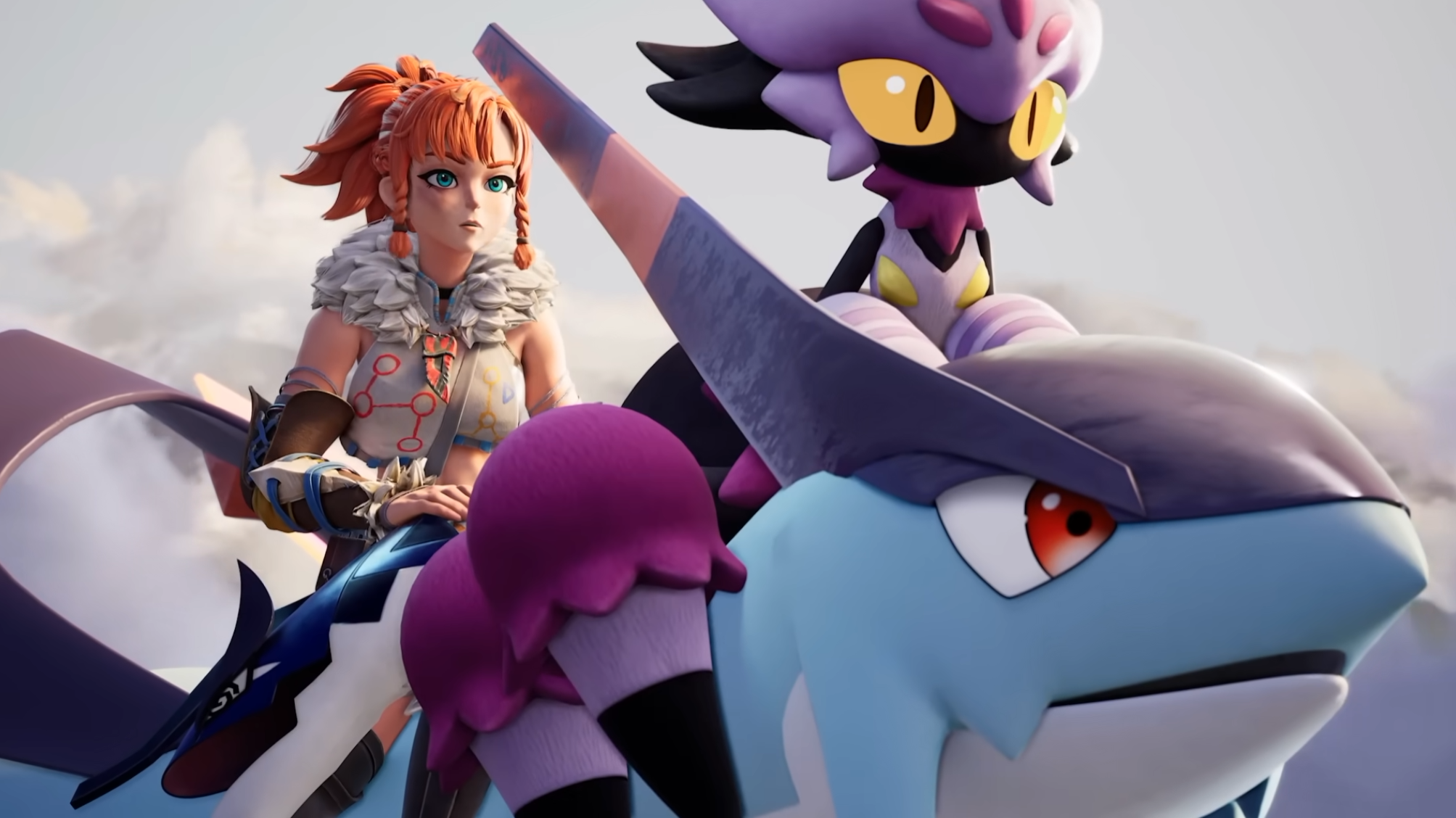
There's a comfortable story people tell about Early Access graduations. A game putters along, hits 1.0, and a second commercial wave rolls in as the "I'll wait for the full release" crowd finally buys. It's a tidy narrative. It's also, most of the time, wrong. The players who wanted the game already own it. Palworld is the extreme version of that: it sold over one million copies in its first eight hours, three million within 40 hours, and eight million by day six. A studio that moves that many copies before the servers stop catching fire is not sitting on a hidden pool of holdouts waiting for a version number to change.
So if July 10 isn't going to produce a fresh sales miracle, why does it matter? Because Palworld is about to become eligible for the kind of legitimacy the industry spent two and a half years refusing to give it.
The sales-surge myth
Start with the thing everyone assumes. The idea that 1.0 unlocks a big new buyer cohort only works if the game was obscure during Early Access. Palworld was the opposite of obscure. On January 24, 2024, it reached over 2,000,000 concurrent players on Steam, becoming the first game since PUBG: Battlegrounds to achieve this, and on January 27 it recorded 2,101,867 concurrent players. By February 1 it had sold 12 million copies on Steam and reached 7 million players on Xbox, and by late February the Steam figure was 15 million.
That's the ceiling problem. When a game front-loads that hard, the "waiting for 1.0" segment is a rounding error against the tens of millions who already bought in or played through Game Pass. And here's the detail that kills the surge theory outright: 1.0 launches free for all existing owners. The single biggest audience for this update pays nothing. A 1.0 that's free to your entire existing base is designed to retain and re-engage, not to sell. New sales will come, sure, but treating them as the scoreboard misreads what this launch is for.
What actually changes on July 10
The real shift is reputational. For most of Palworld's life, the industry's serious tier treated it as an unfinished curiosity with an asterisk. Part of that was the Nintendo and Pokémon Company lawsuit hanging over it. Part of it was the "Pokémon with guns" framing that made it easy to dismiss as a meme. And part of it was structural: outlets and critics tend to hold full, scored reviews for finished games, and Early Access is the industry's built-in permission slip to not take something seriously yet.
Awards are where you can see the norm most clearly. The rules aren't a hard wall. Early access games available before the cutoff date are eligible for The Game Awards, as are live service games regardless of release year. But eligibility isn't the same as legitimacy, and the industry has visibly wrestled with this. Manor Lords got a nomination for Best Debut Indie despite being unfinished, while Satisfactory, which entered Early Access in 2019 but launched fully in September 2024, won PC Game of the Year at the Golden Joystick Awards. The pattern is telling: the big overall honors tend to land in the year a game is done. GOTY-tracking guidelines even lean on the review convention directly, requiring that a title be released for review to critics before the publication of the award.
That's the door 1.0 opens. Not a rule change, a convention change. A finished Palworld is a game critics can score without hedging, that awards juries can put on a ballot without the "but it's Early Access" caveat, that ends-of-year lists can include without a footnote. For a game the establishment never quite let into the room, that's the actual prize.
The counterargument
The obvious pushback: awards and reviews don't matter to a game that already sold this much and still holds a real audience. As of late June 2026, Palworld was holding roughly 35,000 concurrent players on Steam on ordinary days, with regular spikes when updates dropped. Who cares about a nomination?
Longevity cares. Sales are a spike; legitimacy is the thing that lets a game keep being taken seriously through sequels, spinoffs, and the official Palworld trading card game launching alongside 1.0. Pocketpair is clearly building a franchise, not banking a one-time hit. Franchises live or die on whether the industry treats them as canon or as a fad that got lucky. A dismissed game struggles to build that; a legitimized one compounds. The sales already happened. On July 10, Palworld finally gets to stop being the phenomenon with an asterisk.